
cosmetics

February monthly roundup

EU Prostaglandin Analogues: Final Opinion of the SCCS The Scientific Committee on Consumer Safety (SCCS) has published the final Opinion on prostaglandin analogues used in cosmetic products (notably lash and brow serums) on 10 February 2026. In 2022, SCCS was unable to conclude on safety due to insufficient data. Following new industry submissions, the Committee has now […]

February monthly roundup Read More »

January monthly roundup

EU Omnibus Act VIII: new CMR bans and restrictions published The European Union has formally published Regulation (EU) 2026/78, the eighth annual “CMR Omnibus” regulation amending the EU Cosmetics Regulation. The text transposes the 22nd ATP of the CLP Regulation into cosmetic law and introduces extensive changes to Annexes II, III, IV and V. Key regulatory changes include: Timeline

January monthly roundup Read More »

November monthly roundup

EU Thiomersal & Phenylmercuric salts – SCCS preliminary Opinion on mercury-based preservatives Regulatory context Mercury and its compounds are generally prohibited in cosmetics under Annex II (entry 221) of Regulation (EC) No 1223/2009. Two exceptions still exist in Annex V (preservatives list): Due to the severe health risks associated with mercury, the European Commission asked the SCCS to reassess

November monthly roundup Read More »

UK Cosmetics Shake-Up for 2026: What Brands Need to Prepare For

Great Britain is moving forward with a new set of cosmetic regulatory updates that will reshape compliance requirements for ingredients, labelling, and product reformulation. Companies currently trading in the UK—or planning to enter the market—will need to anticipate these changes early to avoid supply chain disruption and reformulation bottlenecks. A regulatory proposal published by UK

UK Cosmetics Shake-Up for 2026: What Brands Need to Prepare For Read More »

Microplastics in the Cosmetic Industry: Regulations and Latest Developments

Introduction Microplastics have become a significant environmental concern due to their widespread presence in various ecosystems, including oceans, rivers, and even the atmosphere. The cosmetic industry has been under scrutiny for its contribution to microplastic pollution. In this blog, we will explore the issue of microplastics in the cosmetic industry, the existing regulations, and provide

Microplastics in the Cosmetic Industry: Regulations and Latest Developments Read More »

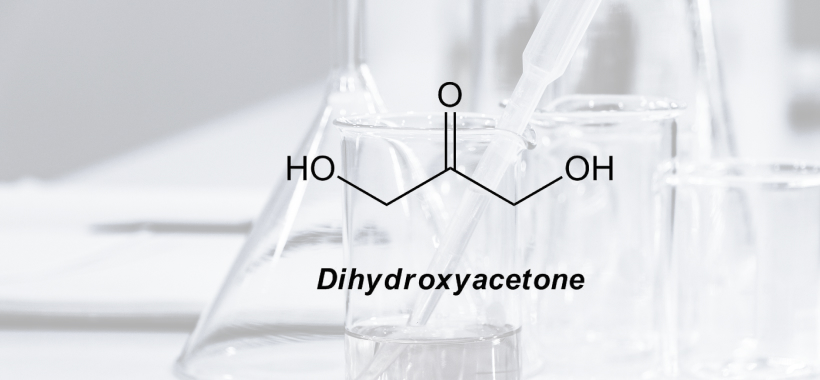
Final opinion on the safety of dihydroxyacetone (DHA)

The European Commission’s Scientific Committee on Consumer Safety (SCCS) has adopted its opinion on the use of dihydroxyacetone (DHA) in cosmetic products. The final opinion was published on 9 March 2020. Dihydroxyacetone is currently not regulated under the Cosmetics Regulation 1223/2009 but based on the available data on the safety of this substance, the SCCS

Final opinion on the safety of dihydroxyacetone (DHA) Read More »

Stability and Compatibility Testing of Cosmetic Products

Cosmetic Stability and Compatibility Testing The primary objective of conducting stability testing for a finished cosmetic product is to make sure that no detrimental changes in its intended physical, chemical and microbiological properties, as well as its safety and functional performance, occur during handling, transport and storage under appropriate conditions. Compatibility test is likewise carried out

Stability and Compatibility Testing of Cosmetic Products Read More »